---
title: "Conventional vs. Unconventional Oil: What It Means & How They Compare"
description: ompare conventional and unconventional oil extraction methods side by side. Updated with 2025-2026 shale production data, costs, and industry trends.
image: https://info.keystoneenergytools.com/hubfs/Facebook%20-%20Featured%20Image%20-%20Keystone.jpg
---
- [Blog](https://info.keystoneenergytools.com/blog)
- [Manuals](https://info.keystoneenergytools.com/operating-manuals)
- [Company](https://www.keystoneenergytools.com/company/)
- [Quality](https://info.keystoneenergytools.com/en/keystone-quality)
- [Services](https://www.keystoneenergytools.com/oil-field-tools-services/)
- [Careers](https://www.keystoneenergytools.com/careers/)
- [Contact](https://www.keystoneenergytools.com/contact/)
- [Request a Quote](https://www.keystoneenergytools.com/contact/request-a-quote/)
[](https://www.keystoneenergytools.com/)
- [Home](https://www.keystoneenergytools.com/)
- [Handling Tools](https://www.keystoneenergytools.com/handling-tools/)
- [Valves](https://www.keystoneenergytools.com/valves/)
- [Dies & Inserts](https://www.keystoneenergytools.com/inserts-dies/)
- [Request A Quote](https://www.keystoneenergytools.com/contact/request-a-quote/)
- [Handling Tools](https://www.keystoneenergytools.com/handling-tools/?__hstc=233546881.707e4616149af298e4c12cdefc44b69f.1553880801470.1553880801470.1553880801470.1&__hssc=233546881.4.1553880801471&__hsfp=854645007)
- [Beckets & Bails](https://www.keystoneenergytools.com/handling-tools/beckets-bails/)
- [Bowls & Slips](https://www.keystoneenergytools.com/handling-tools/bowls-slips/)
- [Elevators](https://www.keystoneenergytools.com/handling-tools/elevators/)
- [Square Shoulder Elevators](https://www.keystoneenergytools.com/handling-tools/elevators/a-series/)
- [Bottleneck Elevators](https://www.keystoneenergytools.com/handling-tools/elevators/g-series/)
- [Slip Type Elevators](https://www.keystoneenergytools.com/handling-tools/elevators/y-series-slip-type/)
- [Slim Hole Slip Type Elevator](https://www.keystoneenergytools.com/handling-tools/elevators/slim-hole-y-series/)
- [Side Door Elevators](https://www.keystoneenergytools.com/handling-tools/elevators/slx-series/)
- [Single Joint Elevators](https://www.keystoneenergytools.com/handling-tools/elevators/single-joint-elevators/)
- [Pipe Jacks and Rollers](https://www.keystoneenergytools.com/handling-tools/pipe-jacks-and-rollers/)
- [Rotating Mouse-Hole Tool](https://www.keystoneenergytools.com/handling-tools/rotating-mouse-hole-tool/)
- [Safety Clamps](https://www.keystoneenergytools.com/handling-tools/safety-clamps/)
- [Slip Lifting Device](https://www.keystoneenergytools.com/handling-tools/slip-lifting-device/)
- [Slips](https://www.keystoneenergytools.com/handling-tools/drill-pipe-slips/)
- [Drill Pipe Rotary Slips](https://www.keystoneenergytools.com/handling-tools/slips/drill-pipe-rotary-slips/)
- [Drill Collar Slips](https://www.keystoneenergytools.com/handling-tools/slips/drill-collar-slips/)
- [Casing Slips](https://www.keystoneenergytools.com/handling-tools/slips/casing-slips/)
- [Stabbing Guides](https://www.keystoneenergytools.com/handling-tools/stabbing-guides/)
- [Tong Blocks](https://www.keystoneenergytools.com/handling-tools/tong-blocks/)
- [Tubing Tongs](https://www.keystoneenergytools.com/handling-tools/tubing-tongs/)
- [Inserts & Dies](https://www.keystoneenergytools.com/inserts-dies/)
- [Elevator Inserts](https://www.keystoneenergytools.com/inserts-dies/elevator-inserts/)
- [SLIP INSERTS](https://www.keystoneenergytools.com/inserts-dies/slip-inserts/)
- [Tong Dies](https://www.keystoneenergytools.com/inserts-dies/tong-dies/)
- [Safety Products](https://www.keystoneenergytools.com/oilfield-safety-products/)
- [Safety Flex Handles](https://www.keystoneenergytools.com/oilfield-safety-products/slip-safety-flex-handles/)
- [Safety Stands](https://www.keystoneenergytools.com/oilfield-safety-products/safety-stands/)
- [Tong Die Drivers](https://www.keystoneenergytools.com/inserts-dies/tong-dies/)
- [Tong Safety Handles](https://www.keystoneenergytools.com/oilfield-safety-products/tong-safety-handles/?__hstc=233546881.707e4616149af298e4c12cdefc44b69f.1553880801470.1553880801470.1553880801470.1&__hssc=233546881.4508.1553879796294&__hsfp=854645007)
- [Valves](https://www.keystoneenergytools.com/valves/)
- [Baffle Plates](https://www.keystoneenergytools.com/valves/baffle-plates/)
- [Coil Tubing Float Valves](https://www.keystoneenergytools.com/valves/coil-tubing-float-valves/)
- [Drill Pipe Float Valves](https://www.keystoneenergytools.com/valves/drill-pipe-float-valves/)
- [Float Valve Pullers](https://www.keystoneenergytools.com/valves/float-valve-pullers/)
- [Mud Screens](https://www.keystoneenergytools.com/valves/mud-screens/)
- [Repair Kits](https://www.keystoneenergytools.com/valves/repair-kits/)
Conventional vs. Unconventional Oil: What It Means & How They Compare
- [Home](https://www.keystoneenergytools.com/)
- Conventional vs. Unconventional Oil: What It Means & How They Compare
[Next](https://info.keystoneenergytools.com/blog/drilling-rig-safety) [Previous](https://info.keystoneenergytools.com/blog/unlock-the-power-of-precision-keystone-energy-tools-cutting-edge-dies-for-oil-and-gas-drilling)
# [Conventional vs. Unconventional Oil: What It Means & How They Compare](https://info.keystoneenergytools.com/blog/conventional-oil-vs-unconventional-oil)
[](https://www.keystoneenergytools.com/wp-content/uploads/2015/09/conventional-oil.jpg)
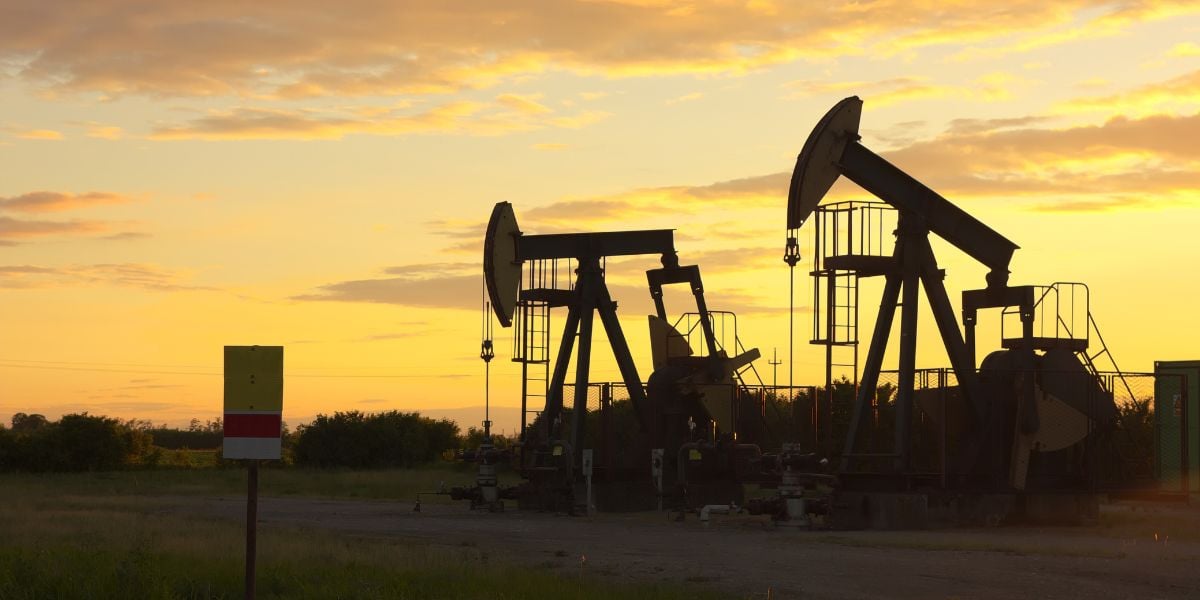
The difference between conventional and unconventional oil isn't the oil itself - it's how you get it out of the ground. Conventional oil flows naturally from permeable rock using vertical drilling. Unconventional oil (shale, tight oil, oil sands) requires hydraulic fracturing, horizontal drilling, or mining. As of 2025, tight oil accounts for over 70% of total US crude production, which hit a record 13.2 million barrels per day in late 2024.
Whether you’re new to the [oil and gas industry](https://info.stonewallco.com/blog/how-does-lithium-impact-the-oil-and-gas-industry) or a [seasoned veteran in the field](https://info.keystoneenergytools.com/blog/keystone-energy-tools-salutes-roughnecks), you’ve likely encountered the terms “conventional oil” and “unconventional oil.” While these terms are common, their meanings can be a bit elusive. The distinctions lie not in the oil itself but in the extraction methods used to bring it to the surface.
In this guide, we’ll dive into the fundamental differences between conventional and unconventional oil, explore the methods used in each, discuss how both play critical roles in [maximizing production in the oil and gas industry](https://info.keystoneenergytools.com/blog/top-10-trends-shaping-the-oil-and-gas-industry), and looks at where U.S. production stands heading into 2026.
1. [What Is Conventional Oil?](https://info.keystoneenergytools.com/blog/conventional-oil-vs-unconventional-oil#the-basics-of-conventional-oil-extraction)
2. [What Is Unconventional Oil?](https://info.keystoneenergytools.com/blog/conventional-oil-vs-unconventional-oil#unconventional-oil-unlocking-new-possibilities)
3. [What Are the Synergies Between Conventional and Unconventional Oil Extraction Methods?](https://info.keystoneenergytools.com/blog/conventional-oil-vs-unconventional-oil#synergy-between-conventional-and-unconventional)
4. [How Are Conventional and Unconventional Oil Extraction Methods Different?](https://info.keystoneenergytools.com/blog/conventional-oil-vs-unconventional-oil#a-deeper-dive-into-conventional-vs-unconventional)
5. [U.S. Shale and Tight Oil: Where Things Stand in 2025-2026](https://info.keystoneenergytools.com/blog/conventional-oil-vs-unconventional-oil#where-does-2026-stand)
6. [Unlocking the Full Potential of Oil and Gas Resources with Keystone Energy](https://info.keystoneenergytools.com/blog/conventional-oil-vs-unconventional-oil#unlocking-the-full-potential-of-oil-and-gas)
## [](https://cta-redirect.hubspot.com/cta/redirect/5221915/02f79daa-d0ec-4ecf-a971-3c7dd6080b88)
## What Is Conventional Oil?
**Conventional oil is crude oil that can be extracted using traditional [drilling methods](https://info.keystoneenergytools.com/blog/classification-and-types-of-drilling-pipe), where the oil flows naturally into the well due to underground pressure or responds readily to standard pumping techniques.** It's the original model for commercial oil production - one that's been in use since the late 19th century.
When most people think of [oil drilling](https://info.keystoneenergytools.com/blog/unlock-the-power-of-precision-keystone-energy-tools-cutting-edge-dies-for-oil-and-gas-drilling), they picture towering rigs and pump jacks pulling oil from vast underground reservoirs. That's conventional oil. It's typically found in permeable rock formations like sandstone or limestone, where oil accumulates in porous pockets and can be drawn to the surface without much stimulation. This model drove the [oil industry](https://info.keystoneenergytools.com/blog/5-most-important-oilfield-tools) for over a century.
### How Is Conventional Oil Extracted?
Natural pressure within the reservoir forces oil to the surface, where it can be collected with minimal intervention. When that pressure drops over time, secondary recovery methods - such as [water or gas injection](https://www.infinitysol.net/chemical-toll-blending-blog/is-the-next-big-oil-boom-actually-water) - can be used to maintain production levels.
Tools Built for the Job
Conventional drilling relies on vertical wells and consistent pipe handling. Keystone's [drill pipe elevators](https://www.keystoneenergytools.com/handling-tools/elevators/) and [stabbing guides](https://www.keystoneenergytools.com/handling-tools/drill-pipe-stabbing-guides/) are built to API 8C standards for safe, efficient pipe makeup on every trip in and out of the hole.
### The Decline of Conventional Oil Reserves
Despite its long history, conventional oil availability is shrinking. Most of the world's largest and most accessible oil fields have been heavily produced over decades, and easy-to-reach reserves are declining. That pressure drove the industry to develop the unconventional extraction methods now responsible for the majority of U.S. output.
Key characteristics of conventional oil:
- Oil flows naturally due to subsurface pressure.
- Vertical drilling is the primary extraction method.
- Lower cost and less complex technology are usually needed compared with unconventional oil.
## What Is Unconventional Oil?
**Unconventional oil is crude trapped in formations where natural flow isn't sufficient to produce commercially - requiring advanced methods such as hydraulic fracturing, horizontal drilling, or surface mining to release it.**
The key difference lies in the rock. Unlike the porous, permeable reservoirs that hold conventional oil, unconventional oil sits in tight, low-permeability formations - shale, tight sands, and oil sands - that don't give up their oil easily.
### What Are the Challenges in Extracting Unconventional Oil?
These formations don't allow oil to flow freely. Getting it out requires specialized technology and significantly more capital than conventional extraction.
- Shale Oil Extraction: Shale formations, with their low permeability, require hydraulic fracturing (commonly known as “[fracking](https://info.stonewallco.com/blog/2017/1/21/dissolvable-frac-plug-design-product-optimization-downhole)”) to release the oil. This method involves injecting a mixture of water, sand, and chemicals at high pressure to create fractures in the rock, allowing the oil to flow to the surface.
- Oil Sands Mining: In regions like Canada’s Athabasca oil sands, bitumen (a heavy, viscous form of oil) is extracted using surface mining or in-situ techniques. The oil sands are processed to separate the bitumen from the sand and water, after which it is upgraded to synthetic crude oil.
- Tight Oil Drilling: Similar to shale oil, tight oil is found in formations with very low permeability. Horizontal drilling and fracking are often used in tandem to maximize recovery from these challenging reservoirs.
Unconventional Wells Need Reliable Downhole Equipment
Horizontal and shale wells put extra stress on downhole tools. Keystone's [coil tubing float valves](https://www.keystoneenergytools.com/valves/) are used in plug drillouts, wellbore cleanouts, and completions across the Permian Basin, Bakken, and Eagle Ford. Our [safety clamps](https://www.keystoneenergytools.com/handling-tools/safety-clamps/) protect against dropped strings during tubing operations in high-angle wells.
## What Are the Synergies Between Conventional and Unconventional Oil Extraction Methods?
**Conventional and unconventional oil extraction aren't competing approaches - they complement each other, and most modern operations use elements of both across the life of a single field.**
A common misconception is that the rise of unconventional oil has made conventional methods obsolete. In practice, the opposite is true: as conventional oil fields mature and pressure drops, unconventional techniques can be applied to the same geological area to extend production.
### Case Study: The Mississippi Lime Play
One notable example is the [Mississippi Lime play](https://naturalgasintel.com/glossary/what-is-the-mississippian-lime-shale-play/). After decades of conventional drilling, this field saw a resurgence with the application of unconventional techniques, such as horizontal drilling and fracking. This approach not only revitalized production but also demonstrated the effectiveness of combining both methods to maximize oil recovery.
### Maximizing Oilfield Productivity
Many companies today recognize the value of integrating conventional and unconventional methods. By doing so, they can optimize production, extend the life of oilfields, and continue to meet global energy demands.
## How Are Conventional and Unconventional Oil Extraction Methods Different?
**Conventional extraction relies on natural reservoir pressure and straightforward drilling. Unconventional methods must artificially stimulate flow through technologies like horizontal drilling and hydraulic fracturing - which makes them more expensive and complex, but capable of producing from formations that were once considered uneconomical.**
| Feature | Conventional Oil | Unconventional Oil |
| --- | --- | --- |
| **Definition** | Crude oil that flows naturally to the surface due to reservoir pressure | Crude oil trapped in low-permeability rock that won't flow without stimulation |
| **Reservoir Type** | Permeable rock (sandstone, limestone) | Low-permeability rock (shale, tight sands, oil sands) |
| **Flow Mechanism** | Natural subsurface pressure | Requires artificial stimulation |
| **Primary Extraction Method** | Vertical drilling | Horizontal drilling, hydraulic fracturing, surface mining |
| **Secondary Recovery** | Water or gas injection | Enhanced fracking stages, pad drilling |
| **Well Orientation** | Vertical | Horizontal (typically 1–3 mile laterals) |
| **Cost Per Well** | Lower | Higher |
| **Break-Even Price** | ~$40–50/barrel in mature fields | ~$50–65/barrel depending on play |
| **Complexity** | Simpler technology | More complex; requires specialized equipment |
| **Production Decline Rate** | Gradual decline over years | Steep decline in first 1–2 years; requires continuous drilling |
| **Initial Production Rate** | Moderate; sustained over longer period | High initial rate; drops quickly |
| **Oil Quality** | Ranges from light sweet to heavy sour | Ranges from light sweet (Bakken) to heavy bitumen (oil sands) |
| **Water Usage** | Low to moderate | High — 1.5 to 16 million gallons per fracked well |
| **Environmental Footprint** | Smaller per operation | Larger; more surface disturbance, wastewater management required |
| **Price Sensitivity** | Less sensitive; lower operating costs | More sensitive; high costs make marginal wells uneconomical at low prices |
| **Reserve Availability** | Declining globally; most large fields heavily exploited | Vast reserves remain; limited by technology and economics |
| **U.S. Production Share (2025)** | Declining share of total output | ~65% of total U.S. crude oil production |
| **Key U.S. Regions** | Gulf of Mexico, Alaska, legacy onshore fields | Permian Basin, Bakken, Eagle Ford, Niobrara |
| **History** | Dominant method since late 1800s | Scaled commercially from early 2000s; boom accelerated post-2008 |
| **Can They Work Together?** | Yes — operators often use conventional methods first, then apply unconventional techniques as field pressure declines. Many basins produce from both simultaneously via stacked-pay drilling. | |
### Are Conventional and Unconventional Oil in Competition?
No. Rather than competing, [conventional and unconventional methods](https://naturalgasnow.org/time-tiramisu-conventional-vs-unconventional-drilling/) typically work together across the life of a reservoir. As conventional fields mature and pressure drops, operators apply unconventional techniques to maximize recovery from the same geological area. Horizontal drilling and staged hydraulic fracturing can make otherwise unproductive reservoirs commercially viable again.
One Supplier for Both Operations
Whether you're running vertical conventional wells or horizontal unconventional completions, Keystone builds the handling tools and valves you need - all manufactured to [API 8C](https://www.keystoneenergytools.com/api-spec-8c-drilling-and-production-hoisting-equipment/) and [API 7K](https://www.keystoneenergytools.com/api-7k-standards/) standards. Browse our full [product line](https://www.keystoneenergytools.com/).
## U.S. Shale and Tight Oil: Where Things Stand in 2025-2026
**Unconventional oil - specifically tight oil from shale plays - now anchors U.S. production. As of late 2025, the U.S. hit a record high of roughly 13.87 million barrels per day (b/d) of total crude output, with the majority coming from unconventional plays.**
Here's what the EIA's most recent data shows:
- The Permian Basin's shale and tight formations produced 6.0 million b/d of crude oil in December 2025 - 44% of total U.S. crude output. [U.S. Energy Information Administration](https://www.eia.gov/todayinenergy/detail.php?id=67364) The three largest plays within the Permian (Bone Spring, Spraberry, and Wolfcamp) together account for 5.7 million b/d.
- The EIA's March 2026 Short-Term Energy Outlook projects U.S. crude oil production will average 13.6 million b/d in 2026, rising to 13.8 million b/d in 2027. [U.S. Energy Information Administration](https://www.eia.gov/outlooks/steo/)
- Several shale basins including the Bakken and Eagle Ford are showing signs of maturing, with reduced drilling activity and declining well productivity in some areas. [Energi Media](https://energi.media/news/eia-forecasts-slight-decline-in-u-s-crude-oil-production-in-2026/) The Permian remains the primary growth engine.
- U.S. shale companies have shifted toward prioritizing investor returns over rapid production growth [Energi Media](https://energi.media/news/eia-forecasts-slight-decline-in-u-s-crude-oil-production-in-2026/) - a meaningful change from the high-growth strategies that drove the shale boom earlier.
**What this means for the conventional vs. unconventional split:** Conventional fields continue to produce, but the growth story for U.S. oil is almost entirely unconventional. That won't change in the near term. What's evolving is how operators manage declining well productivity in maturing unconventional plays - which increasingly means applying secondary recovery techniques borrowed from conventional field development.
## Unlocking the Full Potential of Oil and Gas Resources with Keystone Energy
The terms "conventional" and "unconventional" oil suggest a sharp divide, but in practice they represent two phases of how a field gets developed. Understanding both - and how they work together - is what drives production decisions in the [oil and gas industry](https://info.stonewallco.com/blog/equipment-certification-standards-in-the-oil-and-gas-industry) today.
At Keystone Energy Tools, we work with operators across both conventional and unconventional plays. Our tools are built for the demands of modern drilling - whether that's [traditional vertical wells](https://info.keystoneenergytools.com/blog/classification-and-types-of-drilling-pipe), horizontal laterals in tight formations, or anything in between.
Whether you're tapping into traditional reservoirs or producing from unconventional formations, [Keystone Energy Tools](https://www.keystoneenergytools.com/company/) is built to support your operation. Visit our website to learn more about our full lineup of [oilfield tools](https://www.keystoneenergytools.com/5-most-important-oilfield-tools/).
[](https://cta-redirect.hubspot.com/cta/redirect/5221915/a6f894ad-8075-481e-acd8-c69b5b4f1b8e)
### Is unconventional oil lower quality than conventional oil?
**Not necessarily - quality depends on the specific formation, not the extraction method.** Conventional crude ranges from light sweet (low sulfur, easy to refine) to heavy sour. Unconventional sources vary just as widely. Bakken tight oil, for example, is a light sweet crude that commands a quality premium. Athabasca oil sands bitumen, by contrast, is extremely heavy and requires upgrading before it can be refined. The label "unconventional" describes how oil is accessed, not its chemical composition or market value.
### Which U.S. states produce the most unconventional tight oil?
**Texas and New Mexico dominate U.S. tight oil production, primarily through Permian Basin operations.** Texas produced approximately 5.75 million barrels per day as of late 2025, anchored by the Midland and Delaware sub-basins. New Mexico, also part of the Permian, has seen some of the fastest production growth of any state. North Dakota (Bakken play) and Colorado (Niobrara play) round out the top four unconventional producing states. Together, these four states account for the majority of U.S. tight oil output.
### How does oil price affect conventional vs. unconventional production decisions?
**Lower oil prices hit unconventional producers harder because their break-even costs are higher.** A conventional well with low lifting costs can stay profitable at $40-50/barrel in mature fields. Many unconventional shale wells - particularly in less productive areas of the Bakken or Eagle Ford - require $50-65/barrel or more to justify new drilling. When prices drop, shale operators tend to cut drilling activity first. This price sensitivity is why U.S. shale production is closely watched as a global supply swing factor.
### What is the environmental difference between conventional and unconventional oil extraction?
**Unconventional extraction generally has a larger environmental footprint per barrel produced.** Hydraulic fracturing requires significant water volumes - typically 1.5 to 16 million gallons per well - and produces wastewater that must be disposed of or treated. Horizontal wells also disturb more surface area than vertical conventional wells. Oil sands mining in Canada involves large-scale land clearing and tailings ponds. That said, modern unconventional operations have improved water recycling rates and reduced surface footprints through multi-well pad drilling, where multiple horizontal laterals are drilled from a single surface location.
### Can the same oilfield produce both conventional and unconventional oil?
**Yes - and this is increasingly common.** Many geological basins contain multiple stacked formations, some permeable enough for conventional production and others tight enough to require unconventional techniques. The Permian Basin is the clearest example: operators produce conventionally from some zones while fracking horizontal wells through the Wolfcamp, Bone Spring, and Spraberry shale intervals - all from the same surface location. This stacked-pay approach is one reason the Permian has sustained production growth long after many predicted it would plateau.
---
#### About Keystone Energy Tools
[](https://www.keystoneenergytools.com/)[Keystone Energy Tools](https://www.keystoneenergytools.com/company/) is a [manufacturer](https://info.irefze.com/news/10-things-learned-from-doing-business-with-hi-kalibre-in-10-years) with over fifty years of combined experience in designing, [manufacturing](https://info.stonewallco.com/blog/what-is-manufacturing-engineering), and delivering high-quality [oilfield tools](https://www.keystoneenergytools.com/5-most-important-oilfield-tools/), including [elevators](https://www.keystoneenergytools.com/handling-tools/elevators/), [slips, dies and inserts](https://www.keystoneenergytools.com/handling-tools/bowls-slips/), [tongs dies,](https://www.keystoneenergytools.com/what-are-rig-tongs-used-for/) [safety clamps](https://www.keystoneenergytools.com/handling-tools/safety-clamps/), [stabbing guides](https://www.keystoneenergytools.com/handling-tools/drill-pipe-stabbing-guides/), [drill pipe](https://www.keystoneenergytools.com/7-types-of-drill-pipe-float-valves/) [float valves](https://www.keystoneenergytools.com/valves/), [baffle plates](https://www.keystoneenergytools.com/valves/baffle-plates/), [float valve pullers](https://www.keystoneenergytools.com/valves/float-valve-pullers/), [rotating mouseholes](https://www.keystoneenergytools.com/handling-tools/rotating-mouse-hole-tool/), and [tong blocks](https://www.keystoneenergytools.com/handling-tools/tong-blocks/).
By using the latest in 3D modeling for product design and by staying current with the rapid advances in manufacturing technology and [quality-assurance standards,](https://www.keystoneenergytools.com/api-spec-8c-drilling-and-production-hoisting-equipment/) [Keystone](https://www.keystoneenergytools.com/contact/)is able to manufacture and produce the most [reliable products](https://www.keystoneenergytools.com/5-rig-safety-precautions-you-need-to-follow/) on the market today. All Keystone Handling Tools are manufactured according to [API 8C](https://www.keystoneenergytools.com/api-spec-8c-drilling-and-production-hoisting-equipment/)[and](https://www.keystoneenergytools.com/us-drilling-rig-locations/)[API 7K Standards](https://www.keystoneenergytools.com/api-7k-standards/)[.](https://www.keystoneenergytools.com/us-drilling-rig-locations/)
-
-
- [mailto:?subject=Conventional%20vs.%20Unconventional%20Oil:%20What%20It%20Means%20&%20How%20They%20Compare&body=https://info.keystoneenergytools.com/blog/conventional-oil-vs-unconventional-oil](mailto:?subject=Conventional%20vs.%20Unconventional%20Oil:%20What%20It%20Means%20&%20How%20They%20Compare&body=https://info.keystoneenergytools.com/blog/conventional-oil-vs-unconventional-oil)
[Next](https://info.keystoneenergytools.com/blog/drilling-rig-safety) [Previous](https://info.keystoneenergytools.com/blog/unlock-the-power-of-precision-keystone-energy-tools-cutting-edge-dies-for-oil-and-gas-drilling)
### Quick Links
- [Download Product Catalog](https://info.keystoneenergytools.com/hubfs/KeyStone_February2019%20Theme/Pdfs/2018-Keystone-Energy-Tools-Product-Catalog.pdf)
- [Handling Tools](https://www.keystoneenergytools.com/handling-tools/)
- [Safety Products](https://www.keystoneenergytools.com/oilfield-safety-products/)
- [Company](https://www.keystoneenergytools.com/company/)
- [Services](https://www.keystoneenergytools.com/oil-field-tools-services/)
- [Product Blogs](https://www.keystoneenergytools.com/blog/)
- [Blog](https://info.keystoneenergytools.com/blog)
### Blog
### Contact
3711 Melancon Road
Broussard, LA 70518
\[P\] [337-365-4411](tel:337-365-4411)
\[F\] 337-365-4456
© Copyright 2019, Keystone Energy Tools LLC. All rights reserved.
```json
{
"@context" : "https://schema.org",
"@type" : "BlogPosting",
"author" : {
"@type" : "Person",
"name" : "Keystone Energy Tools",
"url" : "https://info.keystoneenergytools.com/blog/author/keystone-energy-tools"
},
"dateModified" : "2026-09-23T15:50:09.317Z",
"datePublished" : "2024-08-29T13:00:00.000Z",
"headline" : "Conventional vs. Unconventional Oil: What It Means & How They Compare",
"image" : [ "https://info.keystoneenergytools.com/hubfs/Facebook%20-%20Featured%20Image%20-%20Keystone.jpg" ],
"mainEntityOfPage" : {
"@id" : "https://info.keystoneenergytools.com/blog/conventional-oil-vs-unconventional-oil",
"@type" : "WebPage"
},
"publisher" : {
"@type" : "Organization",
"logo" : {
"@type" : "ImageObject",
"url" : "https://info.keystoneenergytools.com/hubfs/KET%20Logo%20-%20Classic%20w%20Black%20Text.png"
},
"name" : "Keystone Energy Tools"
}
}
```
```json
{
"@context" : "https://schema.org",
"@type" : "FAQPage",
"mainEntity" : [ {
"@type" : "Question",
"acceptedAnswer" : {
"@type" : "Answer",
"text" : "Conventional oil is crude oil that can be extracted using traditional drilling methods and flows naturally to the surface due to reservoir pressure."
},
"name" : "What is conventional oil?"
}, {
"@type" : "Question",
"acceptedAnswer" : {
"@type" : "Answer",
"text" : "Unconventional oil refers to crude oil trapped in formations with low permeability that requires advanced extraction methods like hydraulic fracturing and horizontal drilling."
},
"name" : "What is unconventional oil?"
}, {
"@type" : "Question",
"acceptedAnswer" : {
"@type" : "Answer",
"text" : "Conventional methods use vertical drilling and pumping, while unconventional methods require technologies such as horizontal drilling and hydraulic fracturing to stimulate oil flow."
},
"name" : "How are conventional and unconventional oil extraction methods different?"
}, {
"@type" : "Question",
"acceptedAnswer" : {
"@type" : "Answer",
"text" : "No, conventional and unconventional methods often complement each other across the life of a reservoir by using conventional techniques first and unconventional ones later to extend production."
},
"name" : "Are conventional and unconventional oil in competition?"
}, {
"@type" : "Question",
"acceptedAnswer" : {
"@type" : "Answer",
"text" : "Unconventional oil production presents challenges including higher costs, complex technologies, and greater environmental considerations compared with conventional extraction."
},
"name" : "What challenges come with unconventional oil?"
} ]
}
```
```json
{
"@context" : "https://schema.org",
"@type" : "FAQPage",
"mainEntity" : [ {
"@type" : "Question",
"acceptedAnswer" : {
"@type" : "Answer",
"text" : "Not necessarily - quality depends on the specific formation, not the extraction method. Conventional crude ranges from light sweet (low sulfur, easy to refine) to heavy sour. Unconventional sources vary just as widely. Bakken tight oil, for example, is a light sweet crude that commands a quality premium. Athabasca oil sands bitumen, by contrast, is extremely heavy and requires upgrading before it can be refined. The label "unconventional" describes how oil is accessed, not its chemical composition or market value."
},
"name" : "Is unconventional oil lower quality than conventional oil?"
}, {
"@type" : "Question",
"acceptedAnswer" : {
"@type" : "Answer",
"text" : "Texas and New Mexico dominate U.S. tight oil production, primarily through Permian Basin operations. Texas produced approximately 5.75 million barrels per day as of late 2025, anchored by the Midland and Delaware sub-basins. New Mexico, also part of the Permian, has seen some of the fastest production growth of any state. North Dakota (Bakken play) and Colorado (Niobrara play) round out the top four unconventional producing states. Together, these four states account for the majority of U.S. tight oil output."
},
"name" : "Which U.S. states produce the most unconventional tight oil?"
}, {
"@type" : "Question",
"acceptedAnswer" : {
"@type" : "Answer",
"text" : "Lower oil prices hit unconventional producers harder because their break-even costs are higher. A conventional well with low lifting costs can stay profitable at $40-50/barrel in mature fields. Many unconventional shale wells - particularly in less productive areas of the Bakken or Eagle Ford - require $50-65/barrel or more to justify new drilling. When prices drop, shale operators tend to cut drilling activity first. This price sensitivity is why U.S. shale production is closely watched as a global supply swing factor."
},
"name" : "How does oil price affect conventional vs. unconventional production decisions?"
}, {
"@type" : "Question",
"acceptedAnswer" : {
"@type" : "Answer",
"text" : "Unconventional extraction generally has a larger environmental footprint per barrel produced. Hydraulic fracturing requires significant water volumes - typically 1.5 to 16 million gallons per well - and produces wastewater that must be disposed of or treated. Horizontal wells also disturb more surface area than vertical conventional wells. Oil sands mining in Canada involves large-scale land clearing and tailings ponds. That said, modern unconventional operations have improved water recycling rates and reduced surface footprints through multi-well pad drilling, where multiple horizontal laterals are drilled from a single surface location."
},
"name" : "What is the environmental difference between conventional and unconventional oil extraction?"
}, {
"@type" : "Question",
"acceptedAnswer" : {
"@type" : "Answer",
"text" : "Yes - and this is increasingly common. Many geological basins contain multiple stacked formations, some permeable enough for conventional production and others tight enough to require unconventional techniques. The Permian Basin is the clearest example: operators produce conventionally from some zones while fracking horizontal wells through the Wolfcamp, Bone Spring, and Spraberry shale intervals - all from the same surface location. This stacked-pay approach is one reason the Permian has sustained production growth long after many predicted it would plateau."
},
"name" : "Can the same oilfield produce both conventional and unconventional oil?"
} ]
}
```